Asbestos in children's craft toys, FCA's new safeguarding rules and a class-action consultation: what the headlines mean for you
Two children's-craft products were recalled after asbestos turned up in the sand inside. The FCA's new payments and e-money safeguarding rules come into force this week. And the Law Commission has opened a consultation that could reshape consumer class actions in the UK. Here is the plain-English ve
A roundup of the items from EvenStance's daily intelligence sweep that we think matter most this week.
1. Asbestos turned up in children's craft sand
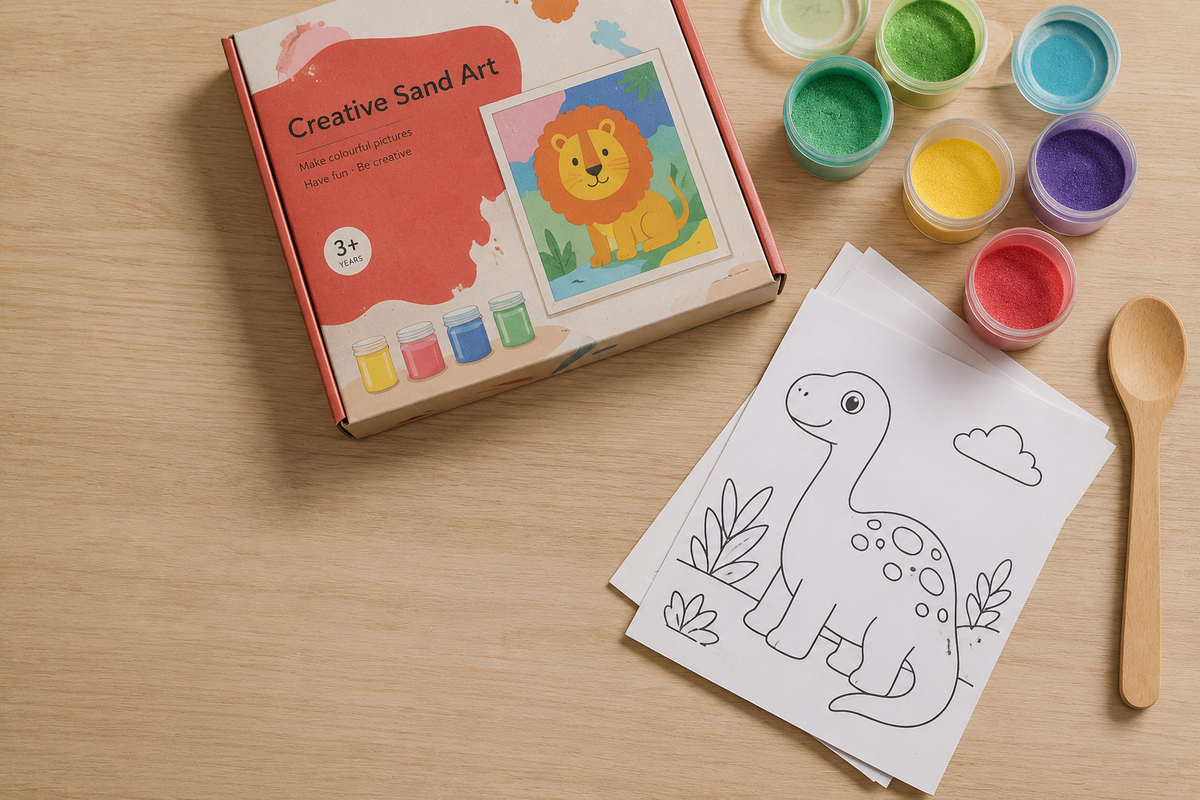
The Office for Product Safety and Standards has recalled two Crayola children's craft boxes (the Discovery Craft Box, model 35501, and the Touchy Feely Craft Box, model 35052) and three Home Bargains products (Stretchy Gorilla Toys in two sizes plus Sand Art Bracelets) after asbestos was found in the sand inside them.
These products were sold across major UK retailers including Asda, The Works, Argos, Sainsbury's, BargainMax, CJS Trade and the Scottish Midland Co-operative.
If you bought any of these products, stop using them, take them out of reach of children, and return them to the retailer for a full refund. Follow the retailer's safe-disposal instructions if you cannot get to a store.
Two things worth knowing if you're affected:
- A refund is the floor, not the ceiling. Under the Consumer Rights Act 2015, goods must be of satisfactory quality. A product containing asbestos plainly is not. You are entitled to a refund as a starting point.
- If a child was exposed, the legal picture goes beyond a refund. Asbestos exposure may give rise to a personal-injury claim against the manufacturer or retailer. We always tell people not to panic. Exposure to small amounts is not the same as exposure to a working asbestos site. But it is worth keeping the packaging, the receipt and any photos, and asking your GP for a record on the file. If you want a second opinion on whether to escalate, get in touch and we can point you to a specialist.
2. New FCA safeguarding rules come into force on 7 May
If you use a digital wallet, an e-money app, or any payments firm that holds money for you between you sending it and the recipient receiving it, the rules on how those firms have to look after your money are getting tighter from 7 May 2026.
Policy Statement 25/21 makes the safeguarding regime stricter and forces firms to review existing third-party safeguarding-account arrangements within three months. In plain English: more of the money you put into one of these firms is being treated like ringfenced customer money, and they cannot quietly leave it with arrangements that do not meet the new bar.
This matters most if a payments firm or e-money provider gets into trouble (administration, suspension or insolvency). The new rules give a clearer path to recovering your money in those scenarios.
What you can do this week:
- If your provider has been quiet about the changes, ask them how the new rules affect your account.
- If you have ever been told "your money is safeguarded" but you are not sure what that meant, this is a good moment to ask for a written confirmation of how your funds are held.
- If your provider has blocked your money, do not accept silence. Make a formal complaint, give them eight weeks to respond, and then refer the matter to the Financial Ombudsman Service. If they suggest the money is gone, ask whether the FSCS protects your balance. The answer is sometimes yes, depending on the firm's permissions.
3. Law Commission opens a consultation on UK consumer class actions
On 20 April 2026 the Law Commission opened an Initial Scoping Questionnaire on whether the UK should introduce a consumer class actions regime. It runs to 30 October 2026.
This is the technical-sounding question with the biggest long-term effect on ordinary disputes. Here is why it matters: small individual claims rarely make it to court. If a company overcharges a million people by £40, no one person has the time or money to litigate, and the company knows it. A class actions regime, done properly, closes that gap.
We will be submitting a stakeholder response. If you have a view on whether the UK should make collective redress easier and faster, drop us a line. We will fold the strongest themes into our submission and credit anyone who agrees to it.
Smaller items
A handful of other recalls came through this week. None of them are headline-grabbers, but they are worth a check if you have any of these items at home:
- Bababing UNA Highchair: modification programme
- Chimoo Water Beads sold via Amazon: listing pulled for ingestion-hazard risk
- Lights 4 Fun Cloud Silhouette Battery Night Light: high-risk recall
- TKMaxx: American Princess and Couture Princess Occasion Dresses recall
- RONTALY Cordless Lawn Mower: destroyed at the border for serious-risk fault
The Financial Conduct Authority also issued unauthorised-firm warnings on 1 May for "Bullish Investment Ique", "HashVests" and "Cenor Holdings". If any of these has contacted you, you have no FSCS or Financial Ombudsman protection, and you should report it to the FCA.
EvenStance helps regular people stand stronger against companies, regulators and ombudsmen. If you are dealing with any of the issues above, you can sign up for free and Frank, our AI dispute companion, will tell you what to do next.